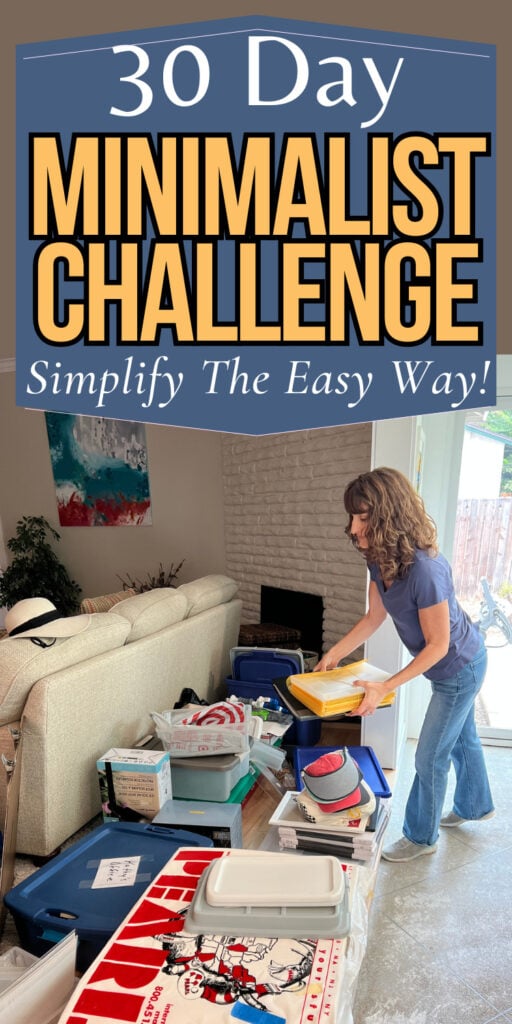
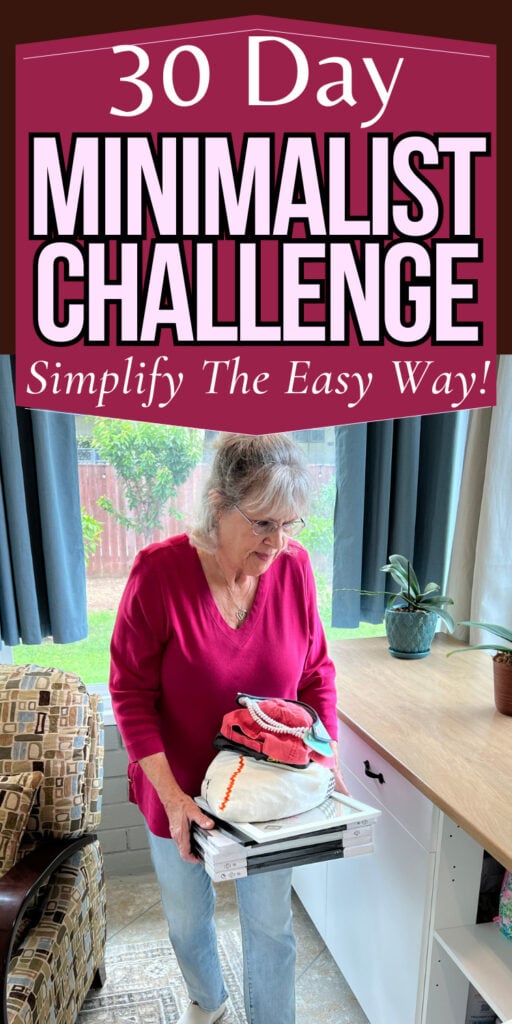
30 Day Minimalist Challenge
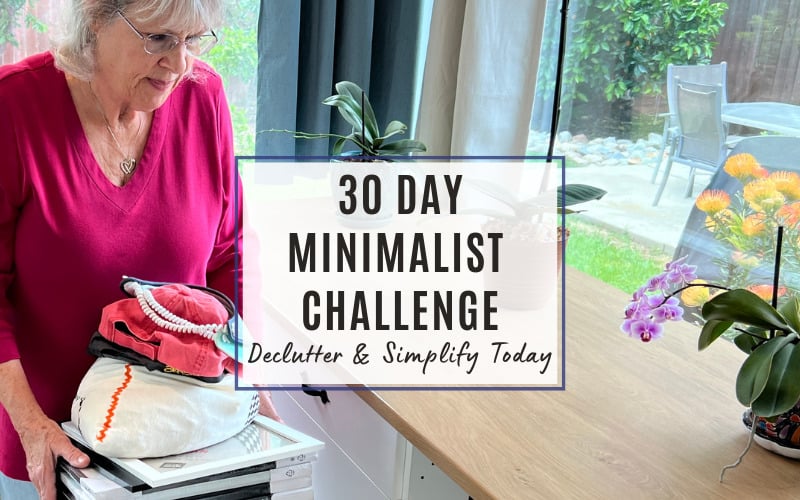
Sometimes the idea of decluttering an entire home can feel overwhelming. The good news is that you don’t have to tackle everything at once.
Small daily actions can lead to big changes over time, and that’s exactly what this 30-day minimalist challenge is designed to do.
This challenge focuses on one small task each day to help you simplify your home, your habits, and even your digital life. Some tasks take only a few minutes, while others encourage you to pause and rethink how much you really need.
30-Day Minimalist Challenge: A Simple Month to Reset Your Home
Feel free to adapt these ideas so they work for your home and your schedule. The goal isn’t perfection, it’s simply making progress and creating a space that feels calmer and easier to maintain.
30 Day Minimalist Challenge
Day 1: Look at Your Spending Habits
Take a few minutes today to look at where your money goes. Write down your regular expenses and then list purchases that are more optional or impulse buys.
Seeing everything on paper can be eye-opening. Understanding your spending is often the first step toward simplifying your lifestyle.
Day 2: Declutter 10 Items
Walk through your home and find ten items you no longer use or need. They might be clothes, kitchen gadgets, old papers, or random items tucked away in drawers.
Ten items may seem small, but it’s a quick and easy win. Decluttering a little each day keeps the process manageable.
Day 3: Evaluate Your Furniture
Large pieces of furniture can make a home feel more crowded than it actually is. Take a look around and ask yourself if every piece is truly necessary.
Removing even one bulky item can instantly make a room feel more open. Sometimes, less furniture creates a more peaceful space.
Read: 15 Items Wasting Space In Your Home
Day 4: Create a Simple Budget
Now that you’ve thought about spending, create a basic budget. List your monthly income and your essential expenses.
Then decide how much you’d like to save or set aside for future goals. Even a simple plan can make your finances feel more organized.
Day 5: Declutter One Drawer
Choose one drawer in your home that could use attention. Empty everything out and quickly sort through the contents.
Throw away trash and remove anything that no longer belongs there. Put the remaining items back neatly so the drawer is easy to use.
Day 6: Clean Up Your Email Inbox
Digital clutter can feel just as overwhelming as physical clutter. Unsubscribe from emails you never read and delete old messages that no longer matter.
Organize what’s left into folders if needed. A clean inbox can bring surprising peace of mind.
Read: How to Declutter Your Digital Life
Day 7: Declutter Your Car
Cars tend to collect clutter without us noticing. Take a few minutes to remove trash, old receipts, and anything that doesn’t belong.
Put important items back where they belong, and give everything a quick wipe-down. A clean car makes everyday errands feel easier.

Day 8: Declutter Books
Many of us hold onto books we’ve already read or never plan to read again. Go through your shelves and choose a few to donate or pass along to someone else.
Libraries, schools, and community groups often welcome book donations. Letting books go makes room for the ones you truly love.
Day 9: Go Through the Medicine Cabinet
Medicine cabinets tend to fill up with expired or unused products. Check expiration dates and safely dispose of anything that’s no longer good.
Wipe down the shelves before putting things back. Keeping only what you actually use makes the space much easier to manage.
Day 10: Declutter Extra Home Decor
Over time, it’s easy to accumulate decorative items that no longer match your style. Gather the decor pieces you don’t use anymore and decide what to donate or sell.
Keeping fewer decorations often makes your favorite pieces stand out more. A simpler space can feel calmer and more intentional.
Read: 20 Places to Look When Decluttering Home Decor
Day 11: Take a Rest Day
Minimalism isn’t just about getting rid of things. It’s also about creating more space in your life to relax and enjoy your time.
Today, schedule some time to slow down. Go for a walk, read a book, or simply sit and enjoy a quiet moment.

Day 12: Delete Unused Apps
Take a few minutes to look through your phone and remove apps you never use. These apps often clutter your screen and take up storage space.
While you’re at it, delete duplicate photos or screenshots you don’t need. A cleaner phone can make everyday tasks easier.
Day 13: Start a Simple Habit
Choose one positive habit you’d like to start. It could be making your bed each morning, tidying up before bed, or spending five minutes decluttering each day.
Small habits can have a big impact over time. The key is choosing something easy enough to stick with.

Day 14: Drop Off Donations
If you’ve been gathering items to donate, today is the day to take them out of your house.
Put the donation box in your car and find a local drop-off location. Removing the items completely helps you feel the progress you’ve made. Your home will instantly feel lighter.
Day 15: Declutter Your Kitchen Countertops
Clear everything off your kitchen counters and only put back the items you truly use daily.
Many appliances and gadgets can be stored elsewhere. Keeping countertops clear makes the kitchen feel cleaner and easier to use. It also makes daily cleaning faster.

Day 16: Simplify Your Pantry
Take a quick look through your pantry shelves. Toss expired items and group similar foods together.
This makes meal planning easier and helps prevent buying duplicates. A tidy pantry saves time during busy weeks.
Day 17: Declutter Your Purse or Bag
Empty your purse, backpack, or everyday bag. Throw away old receipts, wrappers, or items that don’t belong there.
Only put back the essentials you actually need. A lighter bag makes daily routines simpler.
Day 18: Declutter Kitchen Utensils
Kitchen drawers often hold tools we rarely use. Choose a few utensils or gadgets you can donate or discard.
Keeping only your most-used tools makes cooking easier. It also frees up valuable drawer space.

Day 19: Declutter Towels and Linens
Go through your towels, sheets, and blankets. Remove any that are worn out or that you simply don’t use anymore.
Keeping fewer linens makes storage simpler and laundry easier to manage. Donate extras if they are still in good condition.
Day 20: Declutter Old Paperwork
Sort through a small stack of papers or documents today. Shred anything that is no longer necessary and file what you need to keep.
Paper clutter can build quickly if it isn’t addressed regularly. Even organizing a small stack makes a difference.
Day 21: Clean Out the Junk Drawer
Most homes have at least one junk drawer filled with random items. Dump everything out and sort through it quickly.
Throw away broken or unnecessary items and organize the rest. Consider adding small organizers to keep things tidy.
Day 22: Declutter Shoes
Take a look at the shoes you own and remove any you no longer wear. Uncomfortable or rarely used shoes often take up valuable space.
Keeping fewer pairs makes getting ready easier each day. Donate gently used shoes if possible.

Day 23: Simplify Your Nightstand
Your nightstand should be a peaceful space, not a cluttered one. Remove books, papers, or random items that have piled up.
Keep only the essentials like a lamp, a book, or an alarm clock. A clean nightstand helps create a relaxing bedtime routine.
Day 24: Declutter Kitchen Containers
Food storage containers tend to multiply over time. Match lids with their containers and remove any that are missing pieces.
Keeping a smaller set makes cabinets easier to manage. You’ll spend less time searching for the right lid.
Day 25: Declutter Your Entryway
Your entryway sets the tone when you walk into your home. Remove items that don’t belong there and organize shoes, bags, and coats.
Consider adding a simple basket or hook system. A tidy entryway makes coming home feel more relaxing.

Day 26: Declutter Kids’ Items
If you have children, take a few minutes to go through toys, crafts, or clothes. Remove broken toys or items that are no longer used.
Involving kids in the process can help them learn about letting things go. Keeping fewer toys often means kids enjoy them more.
Day 27: Declutter Your Closet
Choose a small section of your closet to review. Look for clothing that doesn’t fit, hasn’t been worn in years, or no longer suits your style.
Removing a few pieces creates space and makes getting dressed easier. Keep what you truly enjoy wearing.

Day 28: Declutter Digital Photos
Scroll through your phone or computer and delete duplicate or blurry photos. Organize important photos into folders or albums.
Digital clutter can become overwhelming if left unchecked. Even a quick clean-up helps.
Day 29: Reflect on What You’ve Simplified
Take a few minutes to notice how your home feels after nearly a month of simplifying.
Small daily tasks add up quickly. You may notice certain areas are easier to maintain now. Celebrating progress keeps you motivated.
Day 30: Create a Maintenance Plan
Think about how you can keep your home clutter-free moving forward. Maybe you’ll declutter for a few minutes each week or donate items monthly.
Consistency is what keeps clutter from returning. Simple routines help maintain the progress you’ve made.

Tips to Declutter and Stay Clutter-Free
One of the easiest ways to maintain a clutter-free home is to declutter in small, consistent bursts rather than waiting until everything feels overwhelming. Setting aside just five or ten minutes a day can prevent clutter from building up again. When you regularly remove items you no longer use, your home naturally stays more organized.
Another helpful strategy is to be mindful about what comes into your home. Before buying something new, ask yourself if you truly need it or if you already own something similar. Being intentional with purchases helps keep your home simpler and prevents clutter from returning.
Questions to Ask Yourself While Decluttering
When you’re deciding whether to keep something, asking a few simple questions can make the process easier.
-
Do I actually use this item regularly?
-
Would I buy this again today if I didn’t already own it?
-
Does this item add value to my daily life?
-
Am I keeping it out of habit rather than usefulness?
-
Would someone else benefit from this more than I do?
These questions can help you make clearer decisions and feel more confident about letting things go.
Trying Minimalism Conclusion
Simplifying your home doesn’t have to happen all at once. By focusing on small daily tasks, you can gradually create a space that feels calmer, cleaner, and easier to maintain.
Over these 30 days, you’ve taken meaningful steps toward reducing clutter and building better habits. The real goal of minimalism isn’t just owning fewer things, it’s creating room in your life for the things that truly matter.