
10 Normal Habits That Feel Strange As A Minimalist
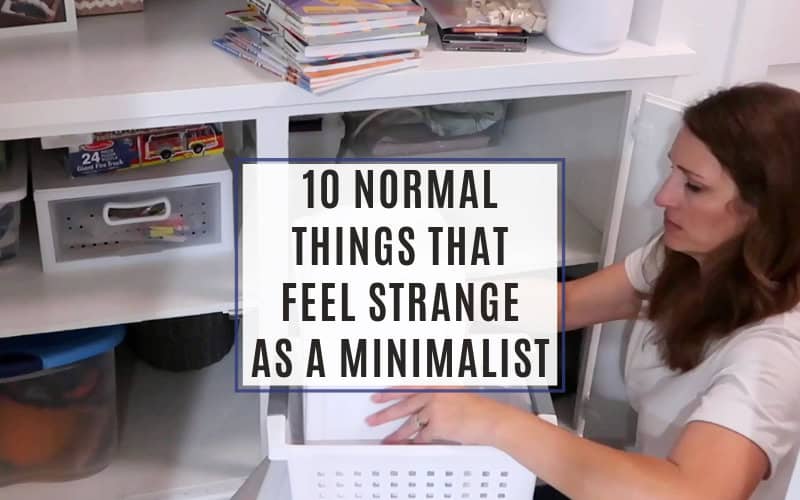
When I began simplifying my home back in 2017, I expected to declutter my closets, maybe organize a few drawers, and feel a little more at peace. What I didn’t expect was how much minimalism would shift the way I think.
Suddenly, everyday habits and the things I once did without questioning began to feel completely different. It was like seeing the world through a new lens.
10 “Normal” Habits That Feel Strange Once You Become a Minimalist
If you’re in the process of simplifying your own life, you might notice these same changes, too. Here are 10 normal habits that now feel surprisingly weird once you choose to live with less.
1. Buying Something Just Because It’s on Sale
Before minimalism, sales felt exciting. Grabbing something at 40% off seemed like a smart decision, you were “saving money,” right? But once you embrace minimalism, this thinking becomes almost backward. You start realizing that the best savings come from not buying things you don’t need in the first place.
What once felt normal, stocking up during sales, grabbing the deal of the day, now feels wasteful and unnecessary.
You begin asking yourself: Would I want this at full price? Will this truly add value to my life? If the answer is no, even the biggest discount no longer feels tempting. That shift alone is huge.
2. Keeping Backups of Backups
Many people keep extras “just in case.” Extra shampoos, extra cleaning supplies, extra tools, extra everything. But as a minimalist, you start to realize that storing duplicates costs you space, time, and mental energy.
What used to feel responsible now feels excessive. You see how much space is taken up by “maybe one day” items and how rarely they’re actually used. Minimalism teaches you that you don’t need three of everything. You need one good one and a little trust that you can handle life as it comes.
Side Note: If I know I’ll use something for sure, buying in bulk can save money. This usually applies to things like toilet paper and food.
3. Filling Every Corner of a Room
Most homes treat empty space like it’s a problem. Corners must be filled, walls decorated, and shelves stocked. But when you become a minimalist, empty space begins to feel peaceful, something worth keeping, not covering up.
You start to notice how visual clutter creates mental strain. A room with blank space suddenly feels calming and refreshing, not incomplete.
What once looked “normal”, a fully decorated room, now feels overwhelming. Your brain starts craving that breathing room, and the shift is hard to ignore.
4. Holding Onto “Maybe One Day” Items
This is one of the biggest mindset changes. Before minimalism, it felt normal to keep old cords, broken appliances, clothes you might fit into again, or gadgets you “might use someday.”
But minimalism helps you question why you’re storing items for a version of yourself that may never come. You start noticing how much stress comes from managing those items, moving them, organizing them, storing them, and feeling guilty about them.
Suddenly, it feels strange to hold onto things that don’t serve your life right now. That’s when letting go becomes easier and keeping clutter feels weirder than releasing it.
Read: What to Declutter First When You Don’t Know Where to Start
5. Overpacking for Every Trip
Most people overpack without thinking. Extra outfits, extra toiletries, & extra shoes. But once you get used to living with less, overpacking feels bulky and unnecessary.
Minimalists often find that packing light is not only easier but also more freeing. You begin to rely on versatility instead of volume. You stop worrying about the “just in case” items because you’ve learned you rarely need them.
Suddenly, dragging a huge suitcase full of things you won’t touch feels odd. Traveling becomes simpler, lighter, and much more enjoyable.
Nothing drove this idea home more than when we took a trip with 2 little kids to New Zealand. We overpacked and struggled through 2 airports with more than we could carry.
That is when I said, “Never again!”
6. Buying Decor Without Purpose or Story
Before minimalism, decor shopping might have been a hobby, grabbing cute items because they were trendy or looked nice in the store. But once you’ve simplified, impulsively buying decor feels strange.
Minimalists start craving meaning and intention behind the pieces in their home. Items that tell a story, have a purpose, or spark joy naturally replace filler decor.
Bringing home random pieces just to fill a shelf begins to feel empty and out of alignment. Your home shifts from looking like a store display to a reflection of your life and values.
7. Treating Decluttering as a One-Time Project
Most people approach decluttering like spring cleaning: once a year, tackle it all, then forget about it.
But minimalists quickly realize that decluttering isn’t something you do once, it’s something you continually practice.
Life changes. Needs change. Seasons change. As a result, your home needs regular reassessment.
What once felt normal, letting things accumulate for months or years, now feels overwhelming. Keeping your home aligned with your life becomes a monthly or even weekly habit, and the idea of waiting until “one big purge” feels unnecessary and stressful.
Read: How to Declutter Sentimental Items (the easy way)
8. Having a Closet Full of Clothes but “Nothing to Wear”
Before minimalism, more clothes seemed like the solution. But minimalists soon realize the opposite is true: a smaller wardrobe with pieces you genuinely love is far easier to use.
Once you experience the ease of a simplified closet, owning dozens of unworn items begins to feel strange.
You start recognizing how much mental energy goes into managing excess clothing. The shift happens naturally: less drama, less decision fatigue, more confidence. An overstuffed closet becomes the weird part, not the empty one.
9. Saying Yes to Everything Out of Habit
Most people overfill their schedules because they don’t want to disappoint anyone. But minimalists learn the importance of protecting their energy. They begin to value rest, boundaries, and meaningful commitments over being constantly busy.
The shift happens when you realize that a packed schedule doesn’t equal a full life. Suddenly, it feels strange to agree to things you don’t truly want to do.
Saying “no, thank you” becomes an act of freedom, not guilt. And once you experience that peace, going back to over-scheduling feels nearly impossible.
10. Living in a Space That Feels Full Instead of Functional
Most people are used to living with overflowing drawers, stuffed closets, and rooms packed with furniture or decorations. But minimalism changes your baseline completely.
Once you experience living with less clutter, it’s hard to go back. Everything starts to function better. It’s easier to find things, clean, and focus on what matters.
The clutter that once felt comfortable now feels like chaos. You start to value function over fullness and calm over consumption.
Your home becomes a place that works for you, not a storage unit for things you don’t use.
Conclusion
Minimalism does more than change your home; it can transform the way you see the world. Everyday habits that once felt normal begin to feel out of place, and you start craving more space, more intention, and more peace.
These mindset shifts are a sign of growth, not restriction. Minimalism simply teaches you to question what you’re allowing into your life. It makes you question what truly supports the kind of life you want to live.
And once you experience that clarity, there’s no going back.
Pin 10 Normal Habits That Feel Strange As A Minimalist:


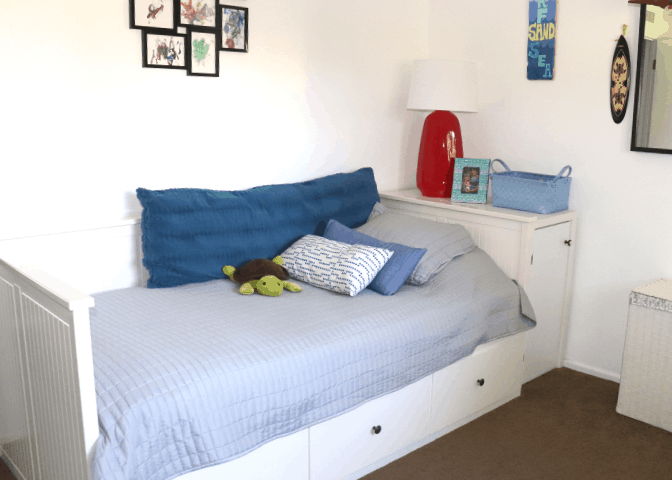
In art class we are taught to ‘draw the empty spaces’. This is a very bad translation of the phrase, but sometimes it is easier to draw the shape of the empty space between 2 objects, especially when said objects are harder to draw. it is also important to have those empty spaces because they give volume to the drawing and help the eye not to get lost by drawing the viewers attention where the artist wants.