
Organizing Mistakes and How to Fix Them
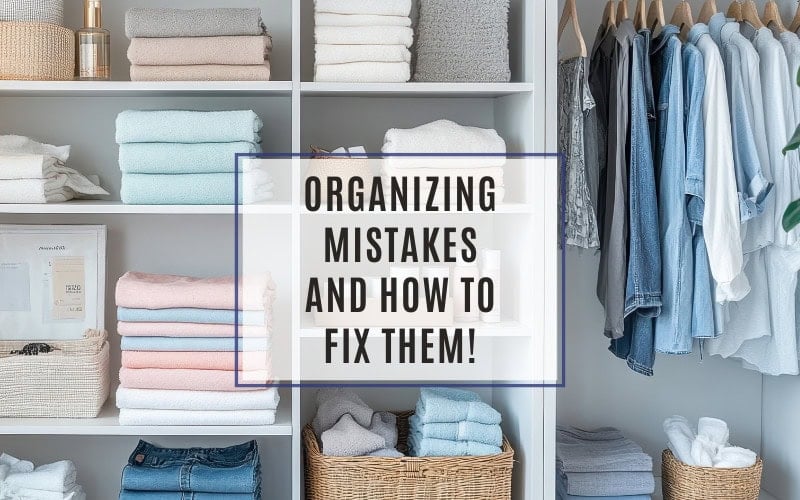
If you’ve ever tried to organize your home and felt frustrated when it didn’t “stick,” you’re not alone. Most organizing struggles aren’t about laziness or lack of effort; they’re about systems that don’t actually support real life.
Over the years, I’ve learned that organizing works best when it’s simple, realistic, and customized to how you actually live, not how you wish you lived on your most productive day ever.
Today, I’m sharing the most common organizing and storage mistakes I see and, more importantly, how to fix them in a way that makes your home easier to maintain long-term.
You don’t need to fix everything at once. As you read, notice which ones stand out and start there.
15 Common Organizing & Storage Mistakes (And How to Fix Them for Good)
1. Copying What Works in Someone Else’s Home
The Mistake
Designing storage systems based on who you wish you were, perfectly tidy, always putting lids back on containers, labeling everything beautifully.
How to Fix It
Create systems that match how you actually behave.
If you never put lids back on, skip them. If your kids never use lids, open bins will always work better. Clear bins and simple labels can help without adding extra steps.
Focus on easy access over aesthetics, especially in high-use areas like bathroom vanities, laundry rooms, or kitchens. Keep frequently used items within reach so you’re not constantly grabbing a step stool or rearranging things just to function.
The best system is the one you’ll keep using.
2. Not Having Drop Zones
The Mistake
Assuming you’ll magically put things away in their “proper” place instead of acknowledging where they naturally land.
How to Fix It
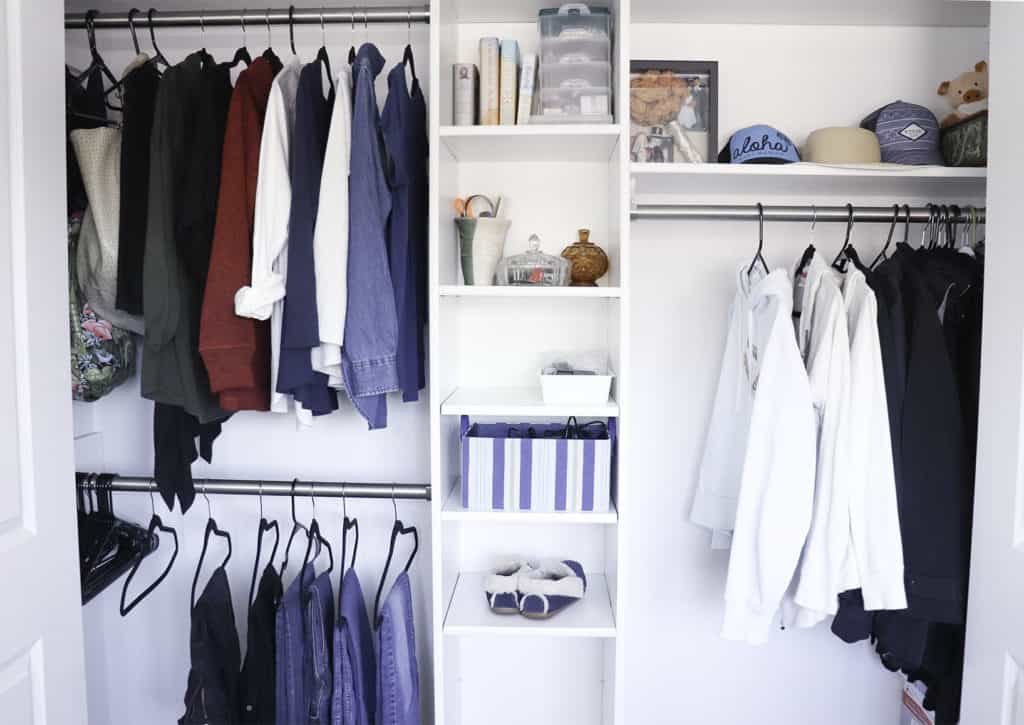
Create intentional drop zones where clutter already piles up.
Near your entryway, set up simple spots for:
-
Keys
-
Mail
-
Shoes
-
Bags
-
Jackets
-
Dog leashes
Small baskets, trays, hooks, or benches work wonders here. Shoes should live where you actually take them on and off, not in a closet that never gets used.
Design your storage around real-life habits, not Pinterest-perfect homes.

3. Not Using Every Area You Have Available
The Mistake
Ignoring potential storage just because it’s not your favorite spot, like under the bed or in awkward corners.
How to Fix It
Every home is different. Some have built-in storage, and some don’t. If you’re short on space, treat every usable area like valuable real estate.
Consider:
-
Under-bed storage for seasonal items, linens, or off-season clothing
-
Armoires or storage cabinets where closets are limited
-
Adding shelves inside closets
-
Rolling bins or low drawers
You don’t have to love under-bed storage, but if it’s your only extra space, it can be a game-changer.
4. Not Utilizing Vertical Space
The Mistake
Stopping storage at eye level and forgetting about the upper walls.
How to Fix It
Extend storage upward whenever possible.
Use top shelves or cabinets that go to the ceiling for items you don’t use daily, holiday décor, backup supplies, oversized pots, or seasonal items.
Wall-mounted storage can also work well above sofas, TVs, or in awkward corners. Vertical space helps you store more without crowding the room.

5. Using Too Much Open Shelving
The Mistake
Using open shelving for everyday storage instead of display often leads to visual clutter and overwhelm.
How to Fix It
Reserve open shelving for decorative items only:
-
A few cookbooks
-
Plants
-
Candles
-
Small accents
Anything practical or unattractive belongs in closed storage. A little open shelving adds personality, but closed storage keeps your home calm and manageable.

6. Not Having a Storage Budget
The Mistake
Buying pretty containers without a plan, then realizing they don’t work or don’t fit.
How to Fix It
Budget for storage first.
Before spending on statement furniture or décor, plan for:
-
Cabinets
-
Dressers
-
Sideboards
-
Built-ins
-
Storage furniture
Durable, functional storage is what actually keeps your home looking good day-to-day. Treat it as a non-negotiable, not an afterthought.
7. Not Planning the Whole House
The Mistake
Organizing one area in isolation without thinking about how everything flows together.
How to Fix It
Look at your home as a whole.
Think about where items should live based on how you move through your space, not just where there’s room. Avoid oversized furniture that eats up storage potential and makes rooms hard to move through.
Square footage is limited. Use it wisely.

8. Creating Systems That Aren’t Realistic for Your Life
The Mistake
Treating everything as equally important, even though some items are used far more often than others.
How to Fix It
Store items based on frequency of use.
-
Level 1 – Used multiple times a day: Out on countertops or very easy-access spots
-
Level 2 – Used daily: Front-and-center drawers or shelves
-
Level 3 – Used weekly: Nearby cupboards
-
Level 4 – Rarely used: High shelves, deep cabinets, under sinks
Apply this hierarchy everywhere, in kitchens, bathrooms, closets, and offices, so your home supports your routines instead of fighting them.
9. Making Organizing Too Difficult
The Mistake
Expecting yourself (and your family) to put everything away perfectly, even when you’re exhausted.
How to Fix It
Lower the friction.
Use:
-
Hooks instead of hangers
-
Shoe storage near the door
-
Trays for keys and wallets
-
Benches with baskets
When systems are easy, clutter doesn’t have a chance to pile up.

10. Skipping Labels
The Mistake
Bins full of stuff with no clue what’s inside.
How to Fix It
Label bins or use clear containers, especially for small items like cables, tools, and adapters.
Labels are most useful in hidden spaces where function matters more than looks.
11. Letting Small Stuff Take Over
The Mistake
Tiny items are floating around loose and turning into one big mess.
How to Fix It
Use:
-
Zip-top bags with labels
-
Small drawer dividers
-
Interlocking trays
Group like items together so they’re easy to grab and put back.

12. Organizing Things That Should Be Decluttered
The Mistake
Organizing items you don’t actually use and wondering why storage keeps filling up.
How to Fix It
Declutter first, always.
If something hasn’t been used in a long time and doesn’t serve your current life, organizing it won’t make it more useful.
13. Not Customizing Systems for Each Person
The Mistake
Expecting everyone to use the same system.
How to Fix It
Observe how each person naturally behaves.
Where do bags land? Where do toys pile up? What feels easy or annoying to them? Build systems that work for them, not against them.

14. Not Measuring Before Shopping
The Mistake
Buying storage that doesn’t fit.
How to Fix It
Measure the space, write it down, and bring a measuring tape with you when you shop. This one simple step saves money and frustration.

15. Getting Overwhelmed and Never Starting
The Mistake
Feeling like you need to fix everything at once.
How to Fix It
Start small.
Make a simple map of your home and identify problem areas. Declutter first, then test a few storage solutions before committing. If it works, keep going.
Progress beats perfection every time.
Final Thoughts on Organizing
Organizing isn’t about having more containers; it’s about creating systems that support your real life. When storage works with your habits, maintaining your home becomes so much easier.
If you want a simple reference, grab the one-page Organizing & Storage Mistakes + Fixes printable to keep this process stress-free.
CLICK HERE TO DOWNLOAD THE ORGANIZING PDF
Small changes really do add up.
Pin Organizing Mistakes and How to Fix Them:




Such a great roundup of common organizing mistakes! It’s so helpful to hear real-world solutions that actually stick.
I am so happy this is helpful!
This is such a great breakdown! It’s easy to make organizing harder without realizing it, so these fixes are super practical and really make a difference.
I am so happy to hear this! Thank you for reading =)