
12 Things Everyone Ends Up Decluttering Eventually
Even the most organized homes have items that quietly pile up, wear out, or stop serving a purpose. Over the years, I’ve noticed that certain things everyone ends up letting go of, not because they’re trendy or extreme, but because they naturally lose their usefulness over time.
Whether they wear down, expire, or simply stop fitting your lifestyle, here are the everyday things that eventually make their way to the donation bin or trash, and why that’s completely normal.
12 Things Everyone Ends Up Decluttering Eventually
1. Worn-Out Clothes and Shoes
Clothing doesn’t last forever — and neither do shoes. Over time, fabrics fade, seams stretch, and soles wear thin. Even high-quality pieces start to lose their shape after years of washing and wearing. And sometimes, our bodies and lifestyles change too.
The jeans that once fit perfectly or the heels that used to be comfortable just don’t work anymore. These items naturally cycle out, making room for pieces that suit who you are and how you live now.

2. Old Paperwork and Mail
Paper clutter has a short shelf life. Receipts fade, bills get paid, and old notes lose relevance. Over time, even the most carefully organized filing system needs a refresh. Most paperwork is only useful for a certain period — tax years end, warranties expire, and reminders lose meaning.
Eventually, these stacks get sorted, shredded, and recycled because they’ve served their purpose.

3. Linens, Towels, and Bedding
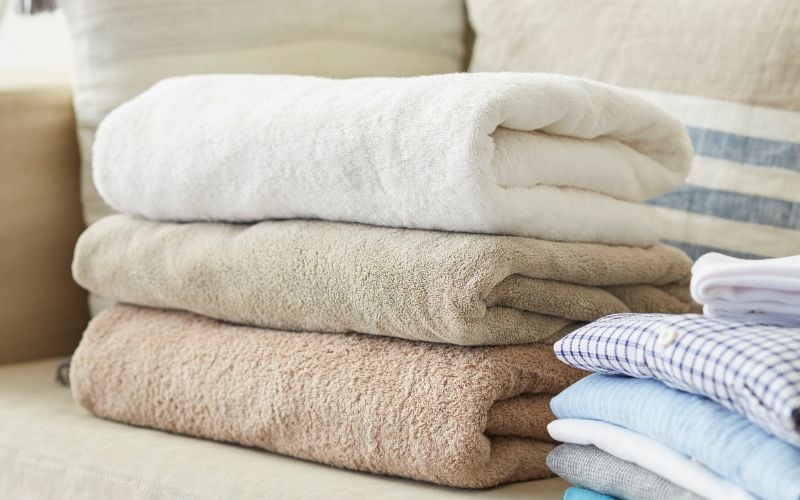
Towels get threadbare, sheets lose their elasticity, and blankets flatten out with years of use. Even the best fabrics wear down after endless washes. Every few years, most of us naturally replace a few items, retiring the oldest ones for rags or pet bedding.
It’s one of those categories that continually cycles — because comfort and cleanliness are worth keeping up with.
4. Consumables and Expired Products
From pantry staples to bathroom backstock, anything that’s meant to be “used up” will eventually expire or lose freshness. Lotions separate, snacks go stale, and cleaning products lose their effectiveness.
These items clutter cabinets until we finally do a sweep and toss what’s old. It’s a simple reminder that consumables are meant to be enjoyed — not stored indefinitely.

5. Reusable Bags and Water Bottles
Reusable bags tear, handles break, and bottles lose their lids or start to smell.
Even though these items are designed to last, they often multiply faster than we can use them. Over time, we realize we only reach for a few favorites — and the rest naturally get donated or recycled.
6. Mid-Sized Kitchen Appliances
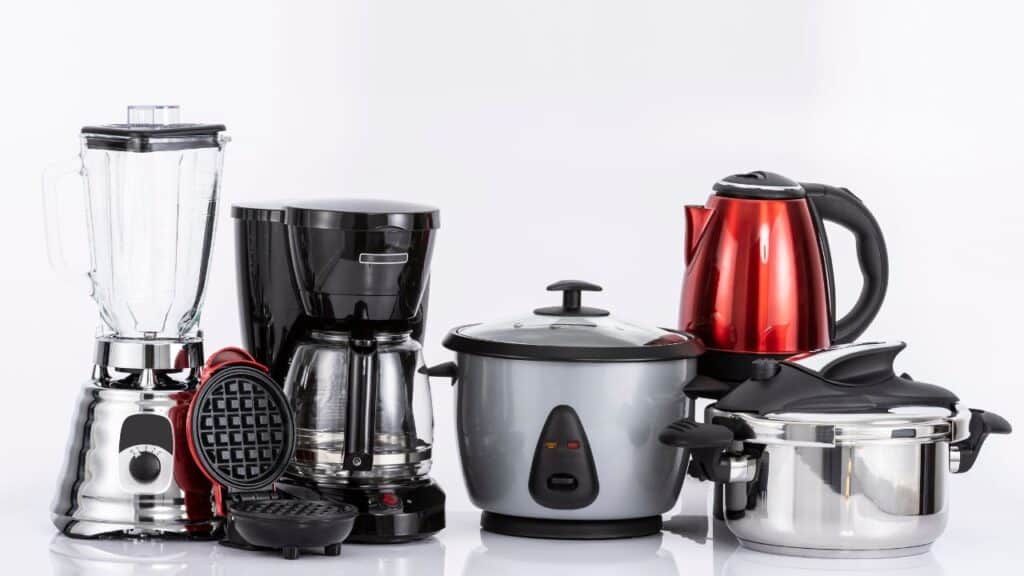
Appliances have a way of outliving their usefulness. Blenders get dull, toasters burn unevenly, and older coffee makers lose efficiency. Sometimes we simply upgrade, and the older model gets tucked away until we finally admit we no longer need it.
These items almost always end up decluttered because they take up space long after they’ve stopped working their best.
7. Decor That Fades or Feels Dated
Home decor ages just like anything else. Candle holders tarnish, pillows lose shape, and wall art fades. Even if nothing is “wrong” with them, our tastes evolve. What once felt cozy or stylish now feels heavy or out of place.
Eventually, these pieces get replaced or donated as your home changes with you.
8. Shoes That Have Seen Better Days
Shoes deserve their own spot on this list because they rarely survive long-term use. Soles crack, insoles flatten, and straps stretch out. Even when we hang on to pairs we once loved, there comes a point when comfort and practicality win.
Every closet goes through this cycle — and letting go of worn-out shoes makes sense.
9. Toys and Kids’ Gear
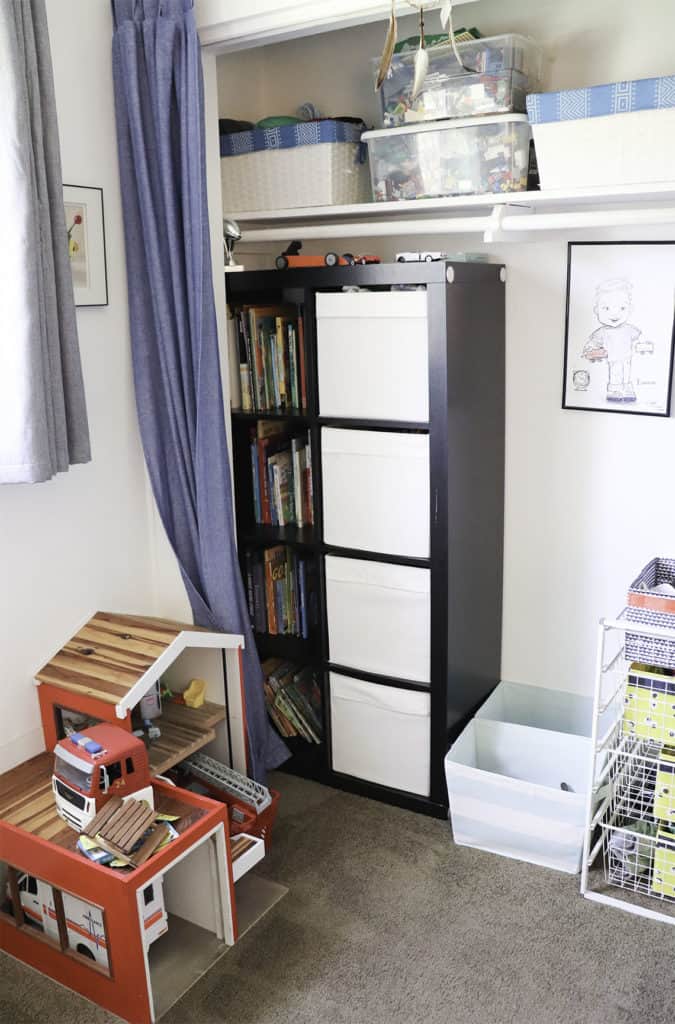
Children outgrow things faster than we expect — both physically and emotionally. Favorite toys get broken, puzzles lose pieces, and clothes become too small overnight.
As kids grow, their interests shift, and what once felt essential suddenly doesn’t get touched. These items almost always get passed along, donated, or recycled over time.
10. Duplicates and Extras
No matter how careful we are, duplicates sneak in — extra spatulas, water bottles, or kitchen scissors.
Eventually, we realize we only ever use one or two favorites. The rest collect dust until the next organizing session, when we finally admit we don’t need multiples.
11. Outdated Electronics and Cords
Technology moves fast. Old chargers, phones, and cords quickly become useless as devices change. Once you can’t remember what a cable connects to, it’s a sure sign it’s time to recycle it.
These items tend to linger for a while — but everyone eventually clears out the tech drawer once they realize none of it even fits their current devices.
12. Hobby or “Phase” Items
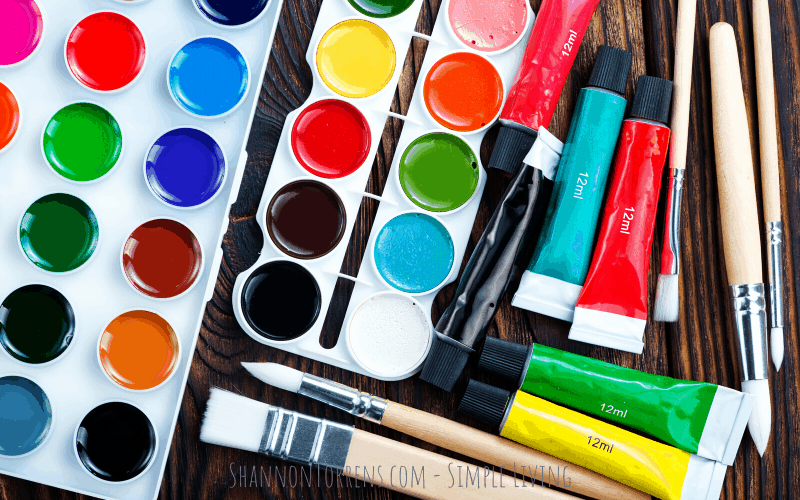
Every home has remnants of past hobbies — craft supplies, fitness gear, or tools from interests that faded with time. Even when the intention was good, these items often gather dust.
Eventually, we recognize they belong in someone else’s hands, not ours. Hobbies change, and so does the stuff that comes with them.
Why These “Obvious” Things Matter
You might be reading through this list and thinking, “Well, of course I’ll eventually get rid of old towels or worn-out shoes — that’s just common sense.” And you’re right, it does seem obvious. But that’s exactly the point. These are the everyday things that quietly pile up, wear down, or stop serving us long before we notice.
We often assume that once our homes are organized, they’ll stay that way. But the truth is, nothing lasts forever, not our clothes, our decor, or even our favorite gadgets. Over time, things naturally age, break, fade, or fall out of use. And while we all try to make thoughtful, intentional purchases, the reality is that everything has a lifespan.
That’s why staying on top of decluttering is so important. It’s not just about one big cleanout; it’s about recognizing that even the most well-loved items eventually need to move on. By staying aware of this cycle, we can keep our homes organized, functional, and calm without letting clutter slowly creep back in.
Decluttering isn’t a one-time project; it’s an ongoing rhythm of caring for our space. The more we embrace that, the easier it becomes to make small, confident decisions when things wear out or no longer serve us.

Accepting That This Is Just Part of Life
It’s also important to remind ourselves that this is completely normal. Letting go of worn-out or outdated items isn’t a failure — it’s just part of life. Everything in our homes serves us for a season, and when that season ends, releasing it allows space for what’s new and needed.
There’s a certain peace that comes with accepting that cycle. We can appreciate how useful something was, thank it for its purpose, and then let it go without guilt. That’s how homes stay both organized and alive because they’re evolving right alongside us.
Instead of feeling frustrated when something needs to be replaced or decluttered again, see it as a healthy sign that you’re living in your space, using what you have, and letting life move forward. A home isn’t meant to be perfect or static; it’s meant to serve you, support you, and change with you over time.
Final Thoughts
Clutter doesn’t just appear; it evolves. Most things in our homes have a natural life cycle: they get used up, wear out, or stop serving a purpose. When you think about decluttering as part of that ongoing cycle, it feels less overwhelming and more natural.
Everything you let go of has run its course, and that’s the beauty of it. You’re not losing anything important; you’re just creating space for what’s next.
12 Things Everyone Ends Up Decluttering Eventually



Hi Shannon,
I love watching your YouTube videos & reading your blog but I did find the amount of Shein & Temu ads very offputting. I don’t know if you’re aware of them/ how many there are but to someone like me who would never buy from/support these companies for ethical reasons, i found it difficult to concentrate on what you have written because the blog is interspersed with them. please understand this is constructive feedback & won’t stop me reading/watching your blogs & videos I just wanted to let you know
All the best
Rebecca
Hello,
I also don’t support these companies, but I have no control over what type of ads go on my blog or on my youtube videos. =)