10 Things Minimalists Don’t Buy
One thing that becomes clear when you start decluttering is just how much stuff we bring into our homes without really thinking about it.
We spend time sorting, organizing, donating, and getting rid of things, but if we continue shopping the same way, the clutter will eventually come back.
That’s why simplifying your home isn’t just about getting rid of what you already own. It’s also about being more intentional with what you bring into your home.
And this doesn’t mean you can never buy anything new or enjoy shopping again.
It’s simply about recognizing which purchases actually improve your life and which ones end up taking up space, costing money, and creating more work.
Here are 10 things to consider buying less of if you want a simpler, more clutter-free home.

1. Clothes You Don’t Really Need
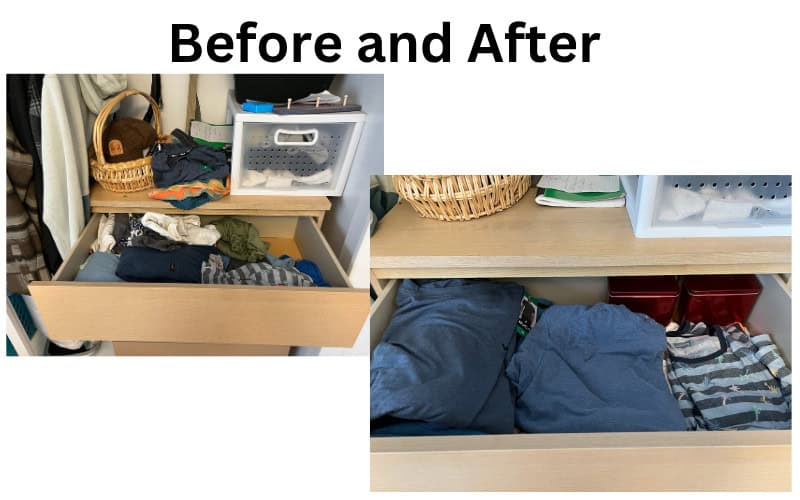
Clothing is one of the easiest things to accumulate because there are always new styles, seasonal sales, and reasons to buy something.
Maybe you see a cute sweater on sale or decide you need a new outfit for an upcoming event.
But before long, your closet is packed with clothes, and somehow you still feel like you have nothing to wear.
The problem isn’t always that you need more clothing. Sometimes you simply have too many options.
Instead of constantly adding to your wardrobe, try focusing on the clothes you actually enjoy wearing.
Before buying something new, ask yourself:
- Do I already own something similar?
- Can I wear this with several things I already have?
- Would I buy this if it weren’t on sale?
- Will I realistically wear it regularly?
Having fewer clothes that fit well and work together can make getting dressed much easier.
2. Things Just Because They’re on Sale
Finding a great deal can feel exciting, especially when something is marked down significantly.
But buying something you don’t need isn’t really saving money, no matter how much the original price was.
For example, imagine finding a decorative basket that was originally $40 and is now only $10.
It might seem like an amazing deal, but if you don’t have a purpose or place for that basket, you’ve still spent $10 on something you didn’t need.
And now you have another thing to store, clean, or eventually declutter.
The next time you’re tempted by a clearance rack, ask yourself whether you would want the item at full price.
A good deal is only a good deal if it’s something you actually need or were already planning to buy.
3. Trendy Home Decor You Don’t Have a Place For
It’s easy to get caught up in decorating trends, especially when you see beautiful homes on Pinterest, Instagram, or YouTube.
Maybe it’s a new style of vase, seasonal throw pillows, decorative trays, or cute little signs for your kitchen.
Individually, these things might not seem like a big deal, but over time, they can really add up.
And before you know it, you’re buying more storage bins just to hold all the decorations you’re not currently using.
One thing to remember is that you don’t have to constantly change your home to keep it looking nice.
Instead of buying new decorations every season, try rearranging what you already own.
You might be surprised by how different a room can look just by moving a few things around.
And when you do buy something new, make sure you have a specific place for it and that you genuinely love it.
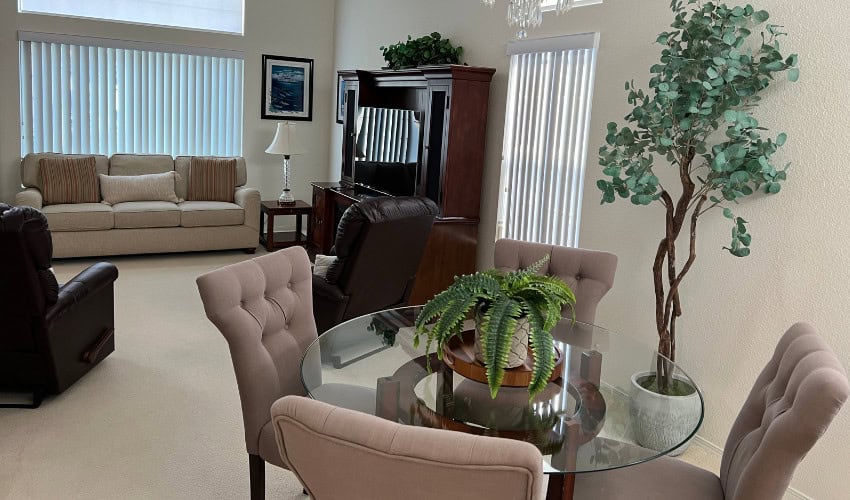
A simpler home doesn’t have to be boring or undecorated. It just means being more intentional about what you choose to display.
4. Extra Food Just Because It’s a Bargain
Buying food in bulk can be a great way to save money, but only when you’re actually going to use everything.
Sometimes we buy extra food because it’s on sale or because we think it’s better to have more than we need.
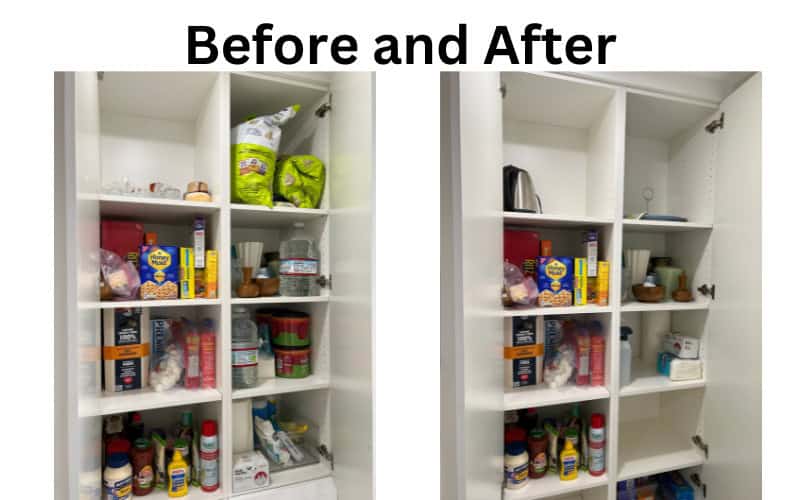
But if your pantry is overflowing, it becomes difficult to see what you already have.
You might end up buying duplicates, forgetting about ingredients, or throwing away food that expires before you can use it.
For example, buying several large bags of specialty baking ingredients might seem like a great deal, but not if you only bake with them once a year.
Try shopping based on what your family actually eats.
Keeping a manageable amount of food makes meal planning easier and helps reduce waste.
5. Collections You Feel Obligated to Keep Growing
Collecting things can be a fun hobby, but sometimes a collection becomes something we continue adding to out of habit.
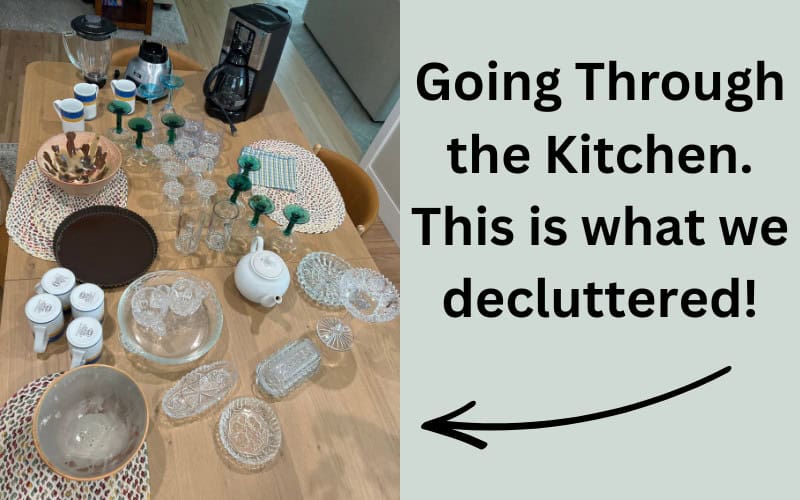
Maybe you started collecting decorative plates, souvenir mugs, figurines, or holiday ornaments years ago.
At first, each new item felt special.
But eventually, you might find yourself buying things simply because they belong to the collection.
It’s worth asking whether you still enjoy collecting these items or whether you’re just continuing something you started a long time ago.
There’s nothing wrong with keeping a small collection that brings you happiness.
The important thing is remembering that you don’t have to own every version of something to enjoy it.
And while some collectibles become valuable, most aren’t guaranteed to increase in value over time.
Buy them because you genuinely enjoy them, not because you assume they’ll eventually be worth a lot of money.

6. Things That Remind You of the Past
Sometimes we buy things because they remind us of a happy memory or a different time in our lives.
Maybe it’s a reproduction of a childhood toy, a vintage kitchen item, or a decoration that looks like something from your grandparents’ house.
These things can bring back wonderful memories.
But there’s a difference between appreciating something and needing to own it.
You can enjoy looking at vintage items in an antique store without bringing them all home.
You can also appreciate the memories associated with something without purchasing another version of it.
If an item has real meaning to you and you have a place for it, that’s wonderful.
Just remember that the memories themselves don’t depend on how many things you own.

7. Expensive Hobbies and Recreational Equipment You Will Rarely Use
Sometimes we buy things because we imagine how much we’ll use them.
Maybe it’s a kayak, camping equipment, a treadmill, or an expensive set of golf clubs.
We picture ourselves enjoying a new hobby and assume the purchase will motivate us to do it more often.
But buying equipment doesn’t automatically create more time in our schedules.
Before making a large purchase, consider how often you’ll realistically use it.
Could you rent the equipment first? Borrow something from a friend? Try the activity a few times before investing in everything.
And remember that some purchases come with ongoing expenses, including maintenance, storage, repairs, and insurance.
There’s nothing wrong with investing in hobbies you love.
The goal is to avoid spending money and giving up valuable space for things you rarely use.
8. Things You Buy Just Because You Went Shopping
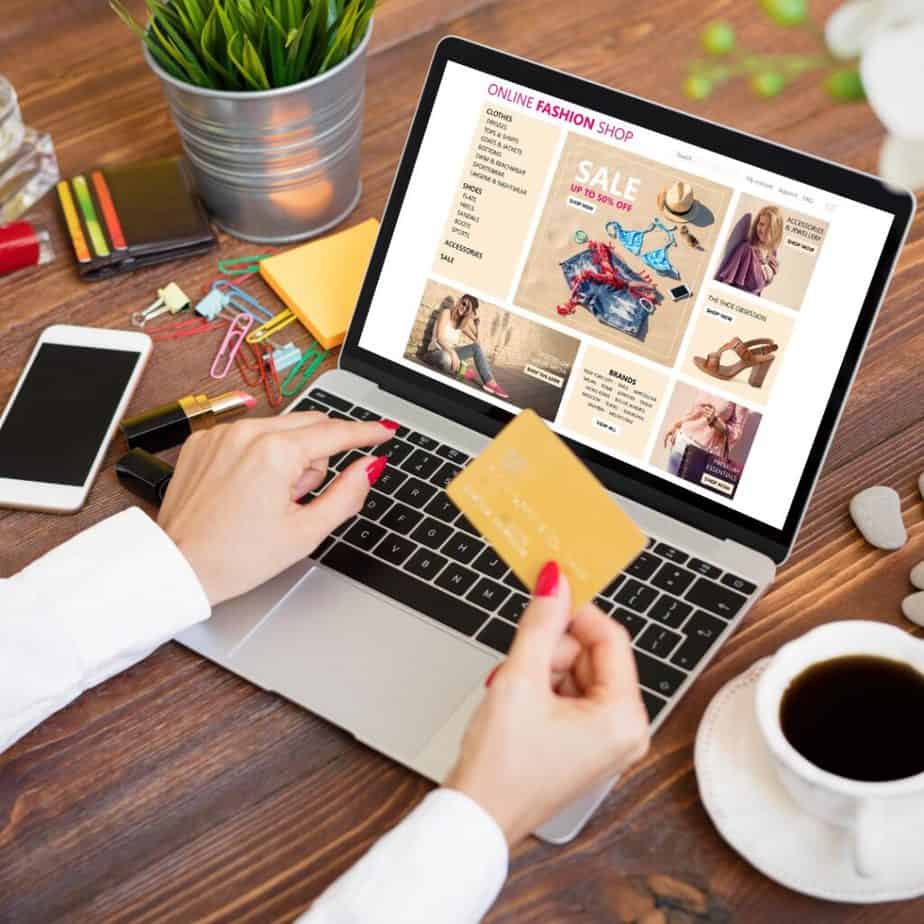
Have you ever spent an afternoon shopping and felt like you needed to come home with something?
Maybe you drove to several thrift stores looking for a particular piece of furniture.
You didn’t find exactly what you wanted, but you found something similar and decided to buy it anyway.
Then you got home and realized it wasn’t really what you were looking for.
This is such an easy habit to fall into.
Sometimes we feel like a shopping trip was wasted if we don’t purchase anything.
But shopping doesn’t have to end with buying.
You can look around, get ideas, compare prices, and leave without spending money.
In fact, walking away from something that isn’t quite right can save you from having to declutter it later.

9. Purchases That Create More Stress Than They’re Worth
Some purchases seem like a great idea until you consider how they’ll affect everyone living in your home.
For example, a large piece of exercise equipment might sound useful, but what happens if it takes over the only extra room in the house?
Or maybe someone wants to buy a large outdoor play structure, but there’s disagreement about the cost, maintenance, or amount of space it requires.
When you share a home, it’s important to consider how purchases affect the entire household.
Before buying something large or expensive, talk about where it will go, how often it will be used, and whether it’s worth the cost.
A purchase that creates more arguments, financial pressure, or inconvenience than enjoyment probably isn’t making life simpler.
Sometimes waiting until everyone agrees on a solution is the best decision.

10. More Storage Space Instead of Decluttering
When our homes start feeling crowded, one of the first things we might think about is finding more storage.
Maybe we need another shelving unit, more plastic bins, or even a storage unit outside the home.
And sometimes extra storage really is necessary.
But before spending money to store more things, it’s worth asking whether you actually need to keep everything.
For example, if your garage is filled with old furniture, unused exercise equipment, and boxes you haven’t opened in years, adding more shelves might not solve the real problem.
You could end up spending money to organize things you don’t even want.
The same goes for renting a storage unit.
Monthly storage fees can add up quickly, especially when you’re storing things you may never use again.
Before buying more storage, try decluttering what you already have.
You might discover that you have plenty of room once the unnecessary things are gone.
How to Stop Bringing So Much Stuff Into Your Home
If you’re working toward a simpler home, you don’t have to stop shopping completely.
Instead, try creating a few simple habits that help you make better decisions before buying something.
One of the easiest things you can do is wait before making nonessential purchases.
If you see something you want, give yourself a few days to think about it.
You might discover that you don’t really want it as much as you originally thought.
Another helpful habit is to think about where an item will go before you buy it.
Do you have space for it? Will you actually use it? Is it something you want to take care of?
And finally, remember that you don’t have to buy something simply because you like it.
You can appreciate beautiful furniture, cute decorations, and interesting products without needing to own them.
The less unnecessary stuff you bring into your home, the less you’ll have to declutter later.
Final Thoughts on Buying Less and Living Simply
Decluttering can make such a difference in how our homes look and feel, but learning to buy less is what helps keep them that way.
And the goal isn’t to have an empty house or never enjoy buying something new.
It’s to make sure the things we bring into our homes are actually adding something positive to our lives.
When we become more intentional with our purchases, we can save money, create more space, and spend less time managing our belongings.
You don’t need to change every shopping habit overnight.
Start by paying attention to the things you tend to buy but rarely use.
Over time, those small changes can make a huge difference.
Remember, a simpler home doesn’t start with buying better storage. It starts with being more intentional about what you choose to own.