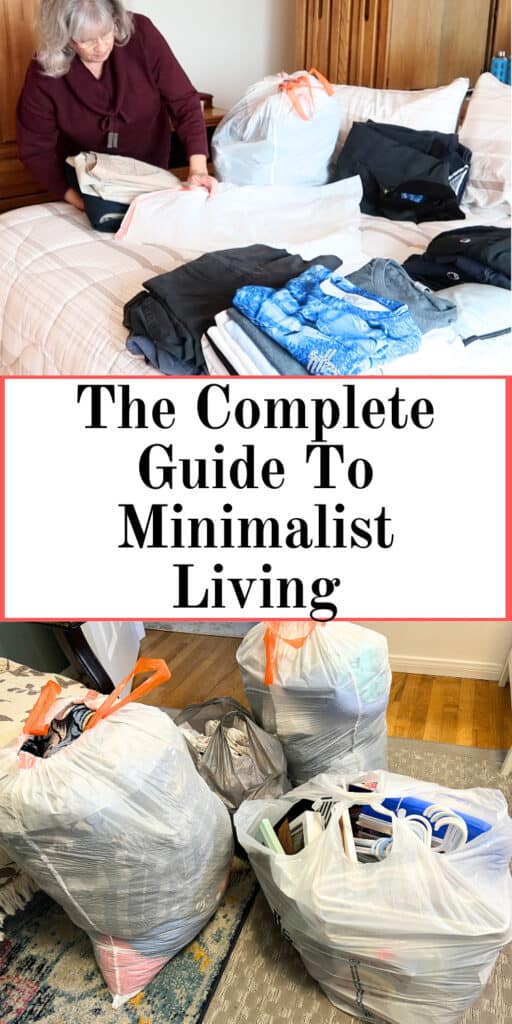
The Complete Guide To Minimalist Living
The Complete Guide to Minimalist Living
Minimalist living has become more popular than ever over the last few years, but many people still wonder what it actually means to live a minimalist lifestyle. Some people picture completely empty homes or strict rules about owning as little as possible.
However, realistic minimalism is usually much simpler than that.
At its core, minimalist living is about removing the excess that makes life feel stressful and overwhelming so you can make more room for the things that truly matter.
For some people, minimalism means decluttering their home. For others, it means simplifying schedules, reducing shopping habits, lowering stress, or learning to live more intentionally. Minimalism can look different for everyone, and there is no single “perfect” version.
Over the years, I’ve noticed that minimalist living often changes much more than a home’s appearance. It can change daily routines, spending habits, stress levels, and even the way you think about what you truly need.
If you are curious about simplifying your life, this guide will walk you through many aspects of minimalist living and share helpful articles to help you get started.
What Is Minimalist Living?
Minimalist living is the intentional choice to simplify your life by focusing less on excess and more on what truly adds value to your everyday life.
This often includes:
- owning fewer unnecessary items
- reducing clutter
- simplifying routines
- shopping more intentionally
- creating calmer spaces
- focusing less on “stuff”
- making life easier to manage
Minimalism does not mean getting rid of everything you own or living in an empty white house. In fact, many people who embrace minimalism still decorate, collect meaningful items, raise families, and enjoy hobbies.
The goal is not perfection.
The goal is to create a life that feels less overwhelming and more intentional.
How to Start a Minimalist Lifestyle
One of the biggest mistakes people make when starting minimalism is trying to change everything overnight. Decluttering an entire house in one weekend or suddenly trying to live with almost nothing usually creates burnout.
Instead, it is often much easier to start slowly.
Small changes can make a surprisingly big difference over time.
Some simple ways to begin include:
- decluttering one small area
- reducing impulse shopping
- simplifying your morning routine
- owning fewer duplicates
- reducing visual clutter
- being more intentional with purchases
- creating easier systems around the home
If you are just beginning your minimalist journey, these articles may help:
- How to Start a Minimalist Lifestyle
- 11 Ways to Live Like a Minimalist
- Easy Minimalist Hacks to Try Now
Minimalist Habits That Make Life Easier
One thing many people notice after simplifying is how much easier everyday life starts to feel.
When there is less clutter to manage, there is often:
- less cleaning
- less organizing
- fewer decisions
- less stress
- less visual overwhelm
Over time, small minimalist habits can completely change how a home functions.
Helpful minimalist habits may include:
- resetting rooms each night
- owning fewer duplicate items
- avoiding unnecessary purchases
- simplifying schedules
- creating routines that reduce stress
- decluttering regularly in small amounts
Minimalism is often less about dramatic decluttering and more about building small habits that help life run more smoothly.
Helpful posts:
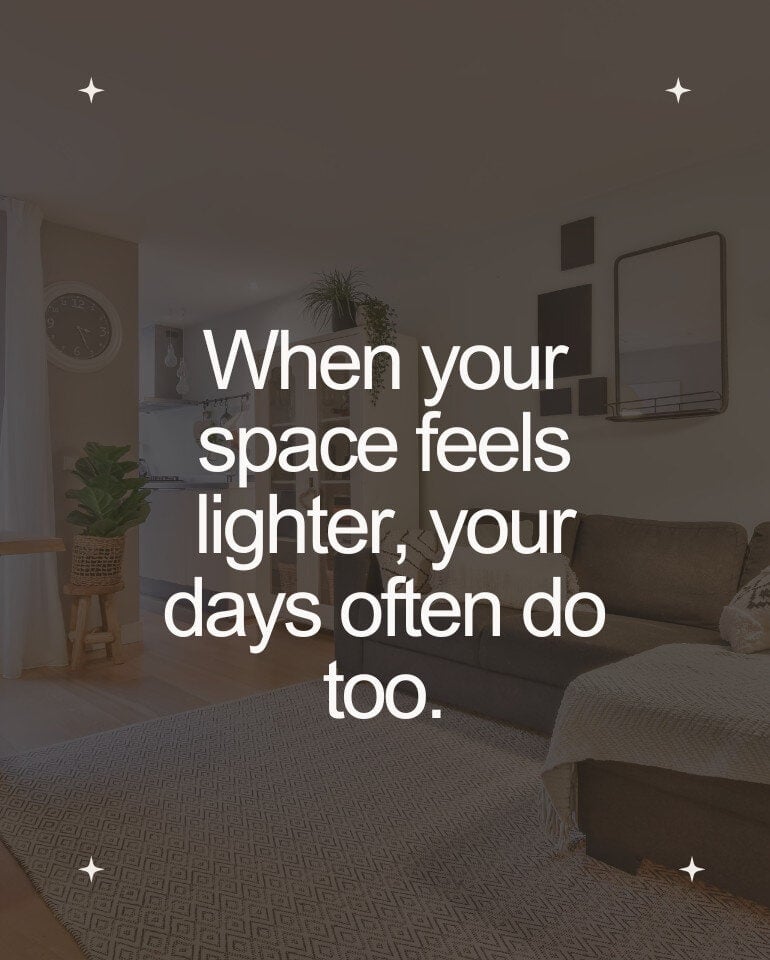
What Minimalists Often Do Differently
As people simplify their homes and lives, many daily habits naturally begin to change.
For example, many minimalists:
- shop less frequently
- avoid clutter-prone purchases
- spend less time organizing
- become more intentional about what enters the home
- focus more on functionality than excess
- prioritize experiences over possessions
These changes often happen gradually over time rather than all at once.
Minimalist living can slowly shift the way you think about:
- shopping
- decorating
- routines
- storage
- time
- priorities
Helpful articles:
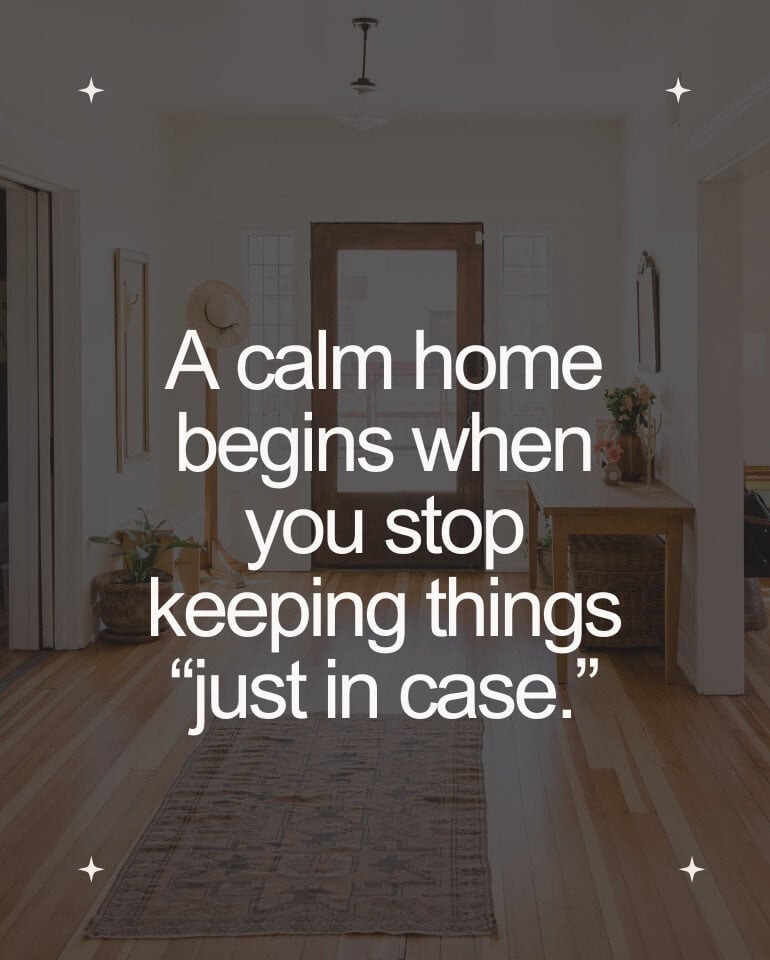
The Surprising Mindset Shifts That Come With Minimalism
One interesting thing about minimalist living is that your perspective often changes over time.
Things that once felt completely normal may suddenly start to feel:
- unnecessary
- stressful
- wasteful
- overly complicated
- visually overwhelming
Many people begin noticing how much clutter affects their mood, focus, and overall stress levels.
Minimalism often creates a greater awareness of:
- visual clutter
- consumer habits
- impulse shopping
- time spent managing stuff
- the emotional weight of clutter
These articles explore some of those surprising mindset shifts:
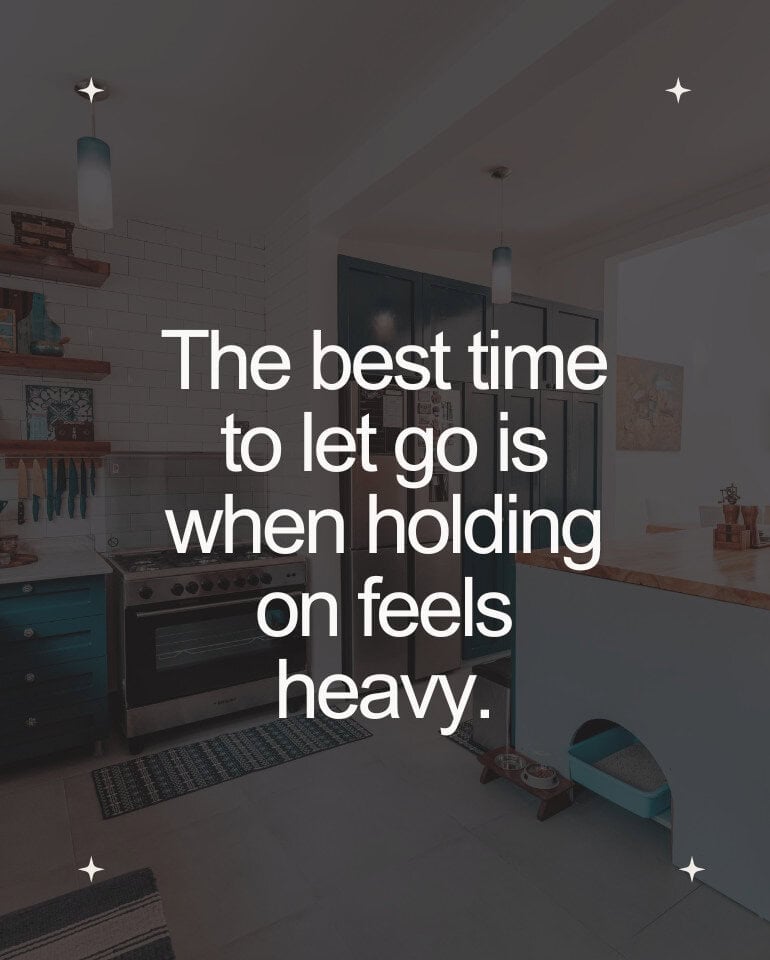
How Minimalism Can Change Your Life
For many people, minimalist living becomes about much more than just decluttering.
Over time, simplifying can help create:
- calmer homes
- easier cleaning routines
- lower stress
- less financial pressure
- more intentional spending
- more time for hobbies and relationships
- less overwhelm
Many people are surprised by how freeing it feels to own less and manage less.
Helpful articles:

Common Minimalist Mistakes to Avoid
One important thing to remember is that minimalism should support your life, not make it harder.
Sometimes people accidentally turn minimalism into:
- perfectionism
- restriction
- unrealistic expectations
- comparison
- constant decluttering
Minimalism does not need to be extreme to be effective.
In fact, realistic minimalism is usually much more sustainable long term.
Your home does not need to look perfect.
You do not need to own a certain number of items.
And your version of minimalism does not have to look like anyone else’s.
Helpful article:
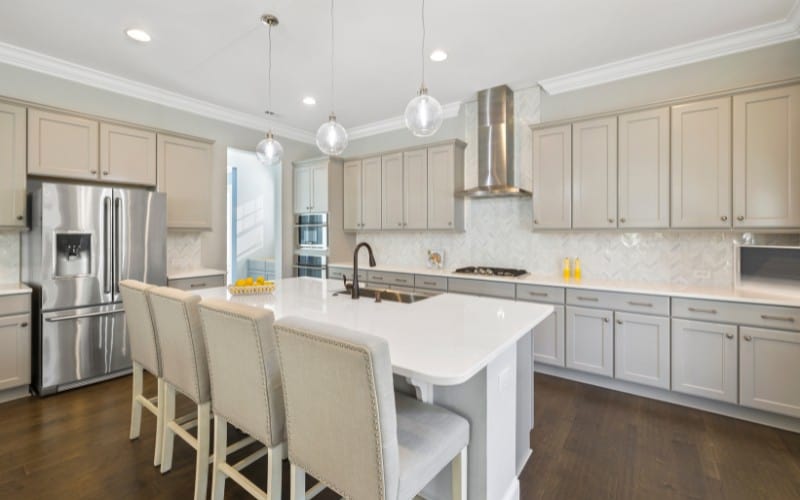
Realistic Minimalism for Families and Everyday Life
Minimalism can look very different depending on your lifestyle.
A minimalist home with young children will naturally look different from a minimalist home for a single person or retiree.
That is completely okay.
Realistic minimalism is about reducing the excess that creates stress while still allowing your home to function for your real life.
For many people, this means:
- simplifying instead of perfecting
- reducing clutter gradually
- focusing on function
- creating easier systems
- owning what is useful and meaningful
Minimalism should make life feel easier, not restrictive.
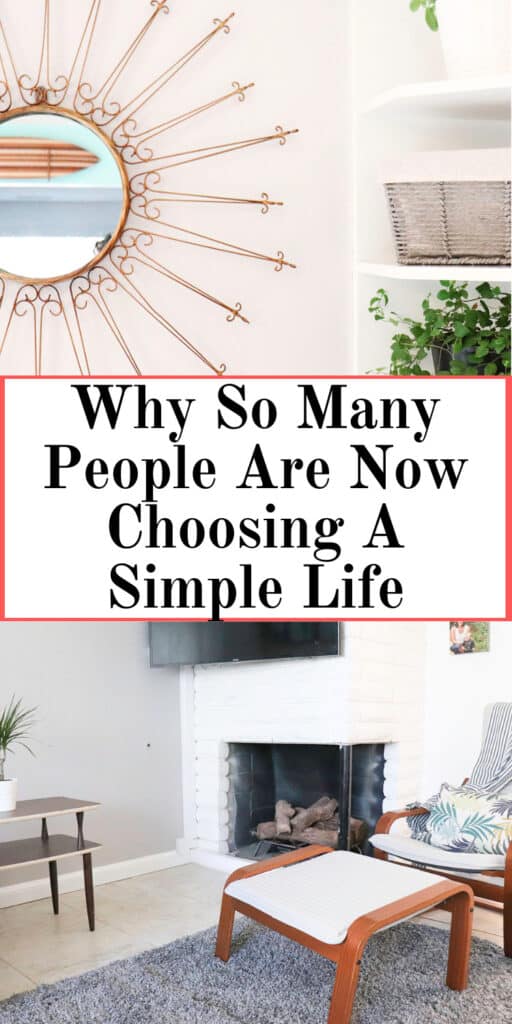
Why So Many People Are Choosing Simpler Living
Modern life can feel extremely overwhelming.
There is constant:
- advertising
- shopping
- notifications
- visual clutter
- pressure to buy more
- pressure to stay busy
Many people are turning toward minimalist living because they want life to feel calmer and more manageable again.
Simplifying often helps people:
- slow down
- reduce stress
- focus on what matters most
- create calmer homes
- spend less money
- stop constantly managing clutter
And honestly, even small changes toward simpler living can make a huge difference.
Helpful Minimalist Living Articles
If you would like to continue learning more about minimalist living, these articles may help:
Getting Started
Minimalist Habits
- 21 Minimalist Habits That Will Change Your Life
- Minimalist Living Habits To Adopt Today
- 10 Things Minimalists Do Every Day
Minimalist Mindset
Simplifying Your Life
Avoiding Common Mistakes
Final Thoughts on Minimalist Living
Minimalist living is not about creating a perfect home or following strict rules.
It is about simplifying the parts of life that feel overwhelming so you can create more space for what matters most.
For some people, that means decluttering their homes.
For others, it means reducing stress, simplifying routines, spending less money, or creating a calmer environment.
Minimalism looks different for everyone, and your version of minimalism does not have to look like anyone else’s.
The goal is not perfection.
The goal is to create a life that feels lighter, calmer, and easier to enjoy every day.