
20 Ways To Own Less
20 Ways to Own Less
Over the years, I’ve realized that having a clutter-free home isn’t only about decluttering. If we really want to own less, we also have to pay attention to what we’re bringing into our homes in the first place.
When we first started decluttering, I focused mostly on getting rid of things. And that worked! But eventually I realized that if I continued shopping and accumulating at the same rate, I would always have something to declutter.
That’s when I started thinking differently about what we own.
Owning less doesn’t mean getting rid of everything or living in an empty house. For me, it’s about keeping the things we actually use and enjoy while letting go of the excess that makes our home harder to manage.
If you’d like to simplify your home and spend less time managing stuff, here are 20 practical ways to own less.
1. Declutter as You Go
You don’t always need to set aside an entire weekend to declutter.
One of the easiest ways I’ve found to own less is to look for things to let go of while I’m already going about my day.
When I’m putting away laundry, I might notice a shirt nobody wears.
When I’m cleaning the kitchen, I might find a gadget we never use. When I’m organizing a drawer, I’ll pull out anything that no longer belongs there.
These little decisions might not feel significant, but over time they really add up.
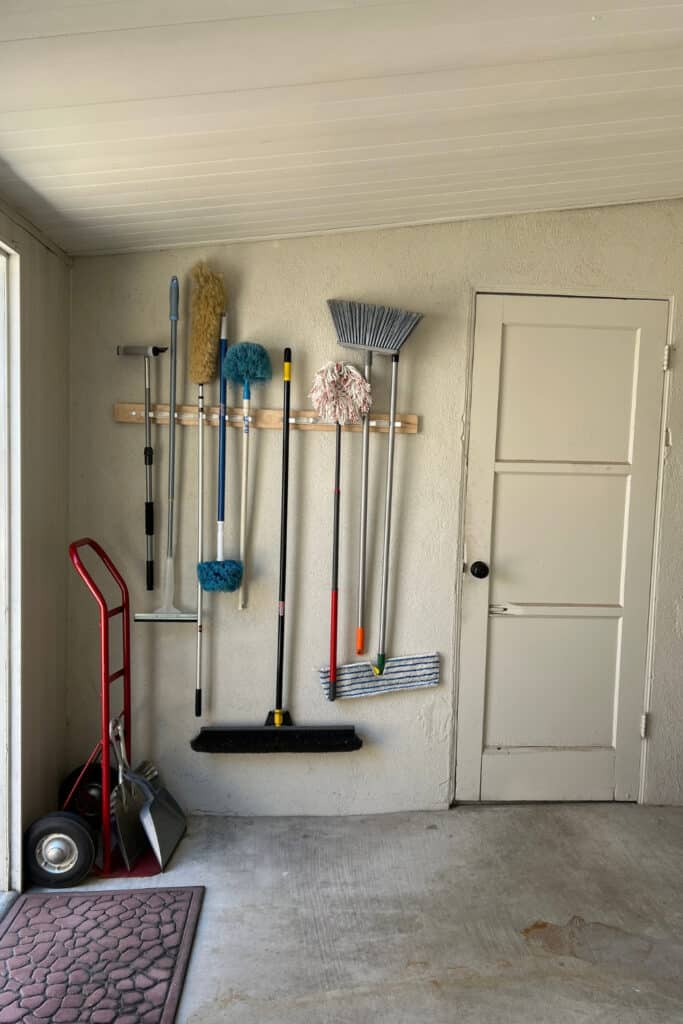
2. Keep a Donation Box
Keep a box or bag somewhere convenient for donations.
Whenever you find something you no longer want, put it directly into the box instead of putting it back where you found it.
Once the box is full, get it out of the house.
This makes decluttering an ongoing habit rather than something you have to constantly schedule.

3. Start With the Obvious Clutter
You don’t have to begin with sentimental items or difficult decisions.
Start with the easy stuff.
Look for trash, broken items, expired products, duplicates, clothes that don’t fit, things you don’t like, and anything you’ve been meaning to get rid of anyway.
Getting rid of obvious clutter builds momentum and helps you get more comfortable with letting things go.
4. Stop Buying Things Just Because They’re on Sale
A sale only saves you money if you were already going to buy the item.
I’ve learned that buying something simply because it’s a great deal often means bringing home something I didn’t actually need.
Before buying a sale item, ask yourself whether you would still want it if it were full price.
If the answer is no, you probably don’t need it.
5. Wait Before You Buy
When you see something you want, don’t buy it immediately.
Put it on a list and wait.
Give yourself a few days or even a few weeks and see if you still want it.
I’ve done this many times only to completely forget about the thing I thought I needed.
Creating a little space between wanting something and buying it can prevent a surprising number of impulse purchases.

6. Shop With a List
Whether you’re buying groceries, clothes, home decor, or Christmas gifts, go in with a plan.
A list gives you something to refer back to when you’re tempted by things you hadn’t intended to buy.
Of course, you don’t have to follow your list perfectly. The point is simply to shop intentionally instead of letting the store decide what you need.
7. Shop Your Home First
Before buying something new for your home, see if you already own something that will work.
I do this all the time when I’m decorating or reorganizing a room.
Move furniture around. Repurpose a basket. Bring decor in from another room. Use a container that’s sitting empty in a closet.
Many times I’ve discovered that I already own exactly what I thought I needed to buy.

8. Use the One-In, One-Out Rule
When something new comes into your home, consider letting something similar go.
Buy a new shirt? See if there’s an old one you no longer wear.
Replace a kitchen appliance? Get rid of the old one.
Bring home a new toy? Look for a toy your child has outgrown.
This is a simple way to keep your possessions from slowly multiplying.
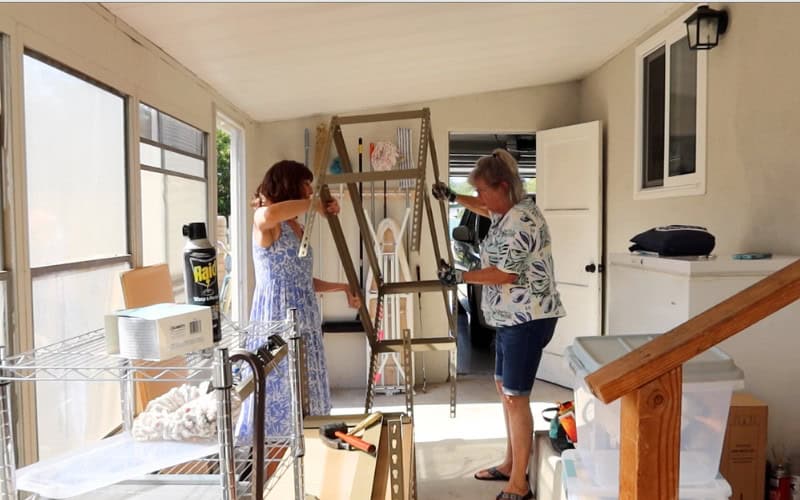
9. Borrow Instead of Buying
Not everything you use needs to be yours.
If you need something for a one-time project, party, trip, or special occasion, see if you can borrow it.
We don’t necessarily need to own enough tables and chairs for the one party we host every few years.
The same idea applies to tools, specialty kitchen equipment, camping gear, party supplies, and plenty of other things.
Borrowing lets you use something without storing it for the next five years.
10. Use the Library
Books are a perfect example of something you can enjoy without owning.
Instead of buying every book you want to read, use your local library.
This is especially helpful with children’s books because kids can constantly have something new to read without your bookshelves continually getting fuller.
Then buy the books you truly love and want to read again.

11. Get Comfortable With Empty Space
This was something I had to learn.
I used to feel like every wall needed something, every corner needed furniture, and every surface needed decor.
As we started owning less, I realized that empty space doesn’t mean something is missing.
Sometimes the empty space is what makes a room feel peaceful.
You don’t have to fill every shelf, cabinet, wall, or corner just because there’s room.
12. Don’t Buy Storage Until You Declutter
When an area feels cluttered, it’s tempting to think we need better organization.
Maybe another basket, bin, shelf, cabinet, or organizing system will fix it.
But before buying storage, declutter first.
You may discover that you don’t have an organization problem at all; you simply have too much stuff.
Once you’ve removed what you don’t need, organizing what’s left becomes much easier.

13. Stop Keeping Things “Just in Case”
Just-in-case items can take up a surprising amount of space.
Of course, it makes sense to keep things you’re reasonably likely to need. But sometimes we’re storing things for situations that may never happen.
Ask yourself:
What’s the realistic chance I’ll need this?
And if you did need it, could you borrow it, rent it, replace it inexpensively, or find another solution?
You don’t have to prepare your home for every possible scenario.
14. Use Up What You Have
Before buying another product, use what you already own.
This works especially well with toiletries, cleaning supplies, pantry food, candles, craft supplies, notebooks, and beauty products.
Instead of constantly trying something new, challenge yourself to finish what’s already open.
This not only helps you own less, but it can also save a lot of money.
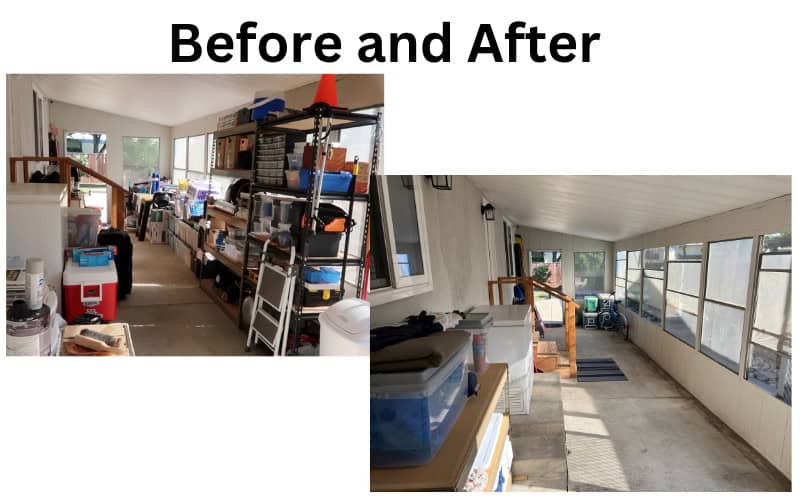
15. Be Careful With Duplicates
We often have multiples of things without realizing it.
How many spatulas do you actually use? How many pairs of scissors? Water bottles? Towels? Mixing bowls?
You don’t necessarily need only one of everything. Keep what makes sense for your household.
But if you always use your favorite one while five others sit untouched, that’s a good indication you can own fewer.
16. Declutter for Your Current Life
One of the biggest reasons we hold onto things is because they represent another version of ourselves.
Clothes from a different stage of life. Supplies for hobbies we no longer enjoy. Things our kids have outgrown. Items from jobs we no longer have.
Ask yourself whether what you’re storing supports the life you’re actually living now.
You can appreciate who you used to be without storing everything that belonged to that version of your life.
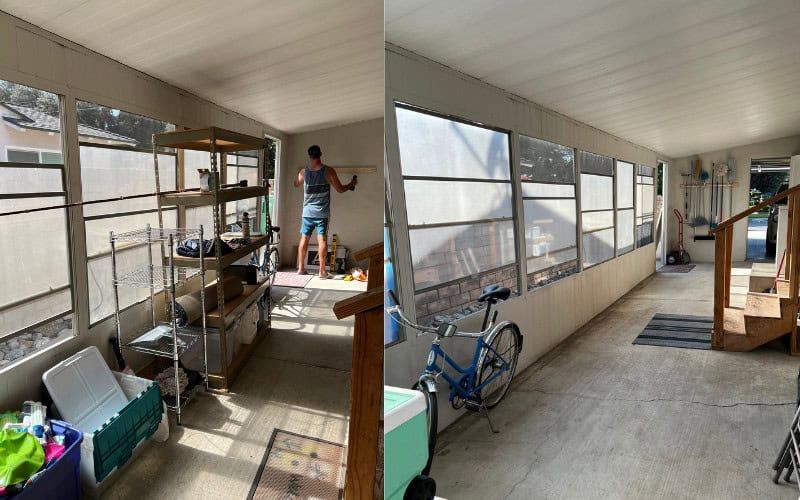
17. Stop Accepting Everything That’s Free
Free things still take up space.
Samples, promotional items, hand-me-downs, giveaways, furniture someone doesn’t want, and things friends or family offer can quickly become clutter.
Before accepting something simply because it’s free, ask yourself:
Would I pay money for this?
You don’t literally have to be willing to buy it, but the question can help you figure out whether you genuinely want the item or simply don’t want to pass up something free.
18. Make It Easy to Let Things Leave
One thing I’ve learned through years of decluttering is that deciding to get rid of something and actually getting it out of the house are two different things.
Don’t let donation bags sit around for months.
Find a convenient donation location. Give things away when that makes sense. Sell valuable items if you want to—but give yourself a deadline.
The easier your system, the more likely you are to follow through.
19. Look at Your Home With Fresh Eyes
We all develop clutter blindness.
When we see the same room every day, we stop noticing what’s there.
Every once in a while, walk through your home and pretend you’re seeing it for the first time.
What would you notice?
Is there furniture making a room feel crowded? A counter covered with things? Decor you don’t even notice anymore? A pile you’ve walked past for six months?
Looking at your home from a different perspective can make excess stuff much easier to see.
20. Remember Why You Want to Own Less
Owning less isn’t really about having the smallest number of possessions possible.
There’s no prize for having the emptiest house.
The goal is to make your home and life easier.
The less unnecessary stuff we own, the less we have to clean, organize, maintain, move, store, and eventually get rid of.
That’s what motivates me to continue simplifying.
I don’t want to spend all of my time managing things. I want my home to support the way we live rather than constantly creating more work.
Owning Less Doesn’t Happen Overnight
If you’re surrounded by more stuff than you want right now, don’t feel like you need to get rid of half your belongings this weekend.
We started decluttering years ago, and the way I think about our possessions has changed gradually over time.
Start with the easy things. Fill one donation box. Skip one unnecessary purchase. Use up something you already have. Borrow something instead of buying it.
Then keep going.
The real change happens when owning less becomes part of how you live—not just something you do during a big decluttering project.
You may never reach a point where you feel completely “done,” and that’s okay. Our homes and lives are always changing.
The goal isn’t perfection.
It’s simply having less of what you don’t need so you have more space for the life you’re actually living.



I really have enjoyed watching your videos with you and your mom, like Kathy my husband has a lot of sentimental items that he keeps in bins for years and years, I’ve offered to make shadow boxes for display of important items. He won’t talk about it. I have been on my decluttering journey for 2 years and have tossed or donated ALOT!
Thanks for your time and support for helping others!!
We move in less than 2 yrs so I’m on a mission 💪🏼
I am so happy to hear that my blog and videos have helped! You can do it!
Genau der Punkt, den die meisten übersehen – es bringt wenig, nur zu entrümpeln, wenn man gleichzeitig weiter unkontrolliert reinholt. Die20 Wege klingen nach einem sehr alltagstauglichen Ansatz. Den Tipp mit der ‘Einkaufspause’ probiere ich mal aus.
Thank you! Here is the translation: That’s exactly the point most people overlook—there’s little benefit to decluttering if you keep bringing things in unchecked at the same time. Those 20 methods sound like a very practical approach for everyday life. I’m going to give that ‘shopping break’ tip a try.
I agree! We have to change how we bring items into our home to stop the clutter from coming back. I hope you have a great day.